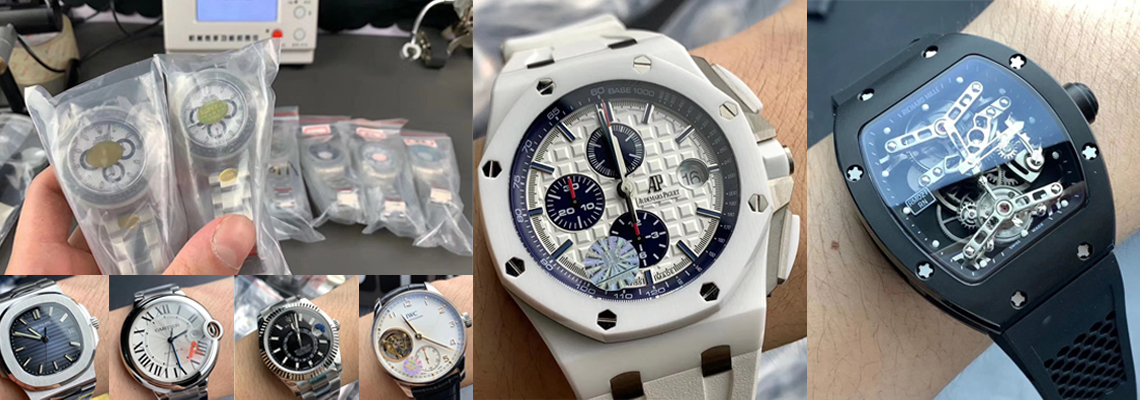
If you’ve ever looked into replica versions of popular Rolex models like the Coke GMT or Daytona, you’ve probably heard of CLEAN factory. Around 2020, this factory raised the bar for the whole top-tier replica watch industry with their amazing ceramic bezel crafting skills and stable Dandong movement configurations. They made even those who used to look down on clone start taking this game seriously.
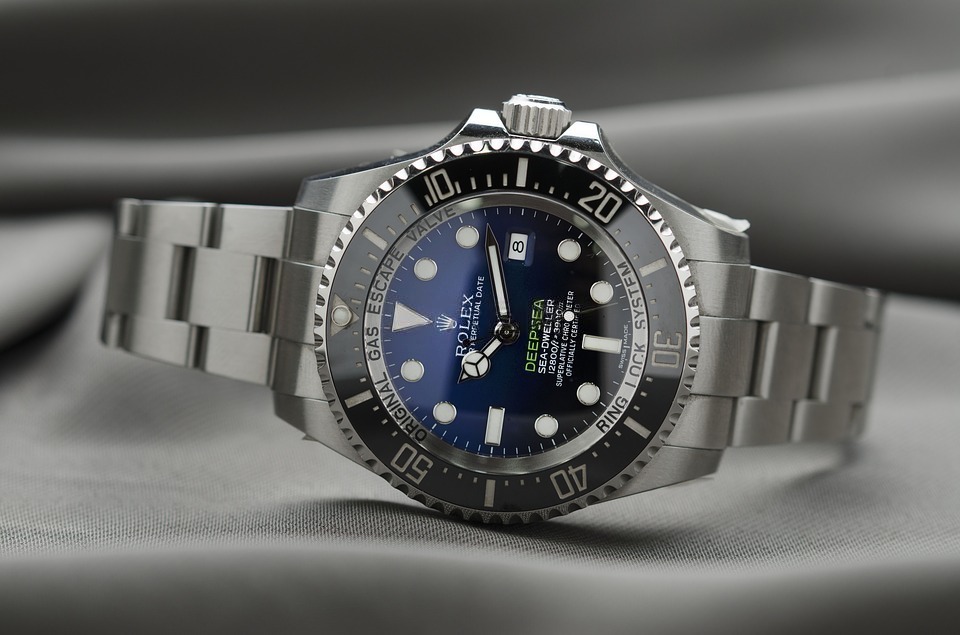
Then in 2025, CLEAN factory shut down and officially disappeared. Later in 2026, part of the production came back under the new name victory, and there was some buzz in the community for a while, but then it slowly calmed down.
I’ve written a few articles about them before. Today, a strange thought suddenly came to me: what if CLEAN had never existed? What would cloned watches be like today? The answer to that question might be more worth writing about than CLEAN’s own rise and fall.
Replica watch ceramic bezel technology might still be a bottleneck today
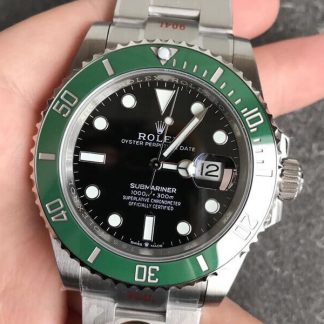
In the early days, the biggest headache for local replica factories was making the ceramic bezel for the Rolex GMT Coke. The red often came out too bright, like tomato skin, and the blue was usually too dark, like ink. Even worse, the line between red and blue often had visible seams — what collectors call an instant tell.
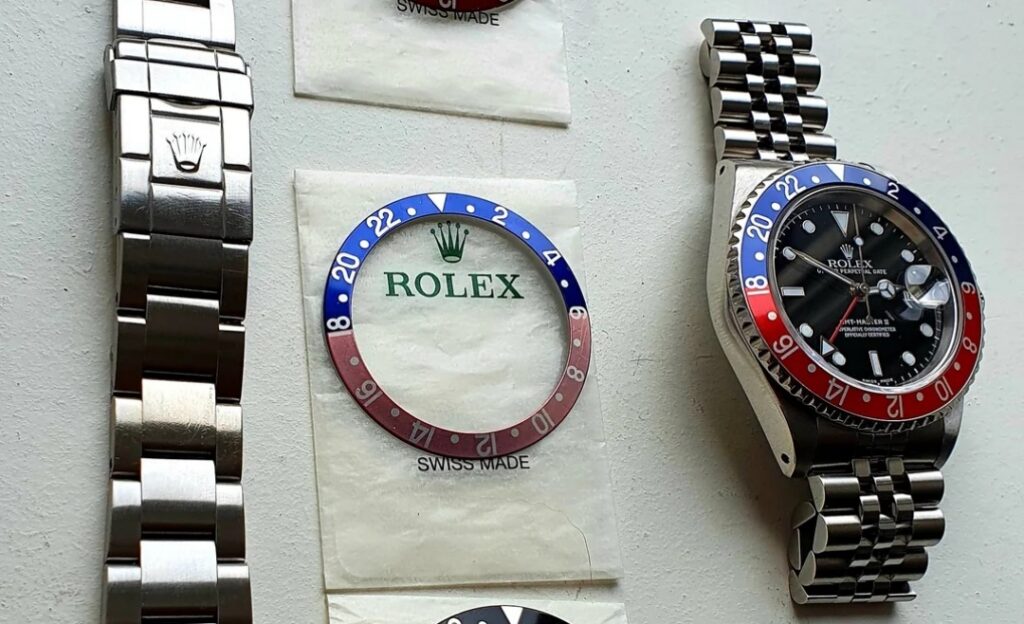
CLEAN factory changed that. They were the first to get the bezel color match over 95% right, even the UV light reaction. Because CLEAN was the one to crack this hard nut, it pushed the whole luxury replica watch industry to rethink the importance of ceramic craftsmanship.
If there was no CLEAN, the ceiling for GMT replicas would probably still be stuck around the 2018 level. Not because no one wanted to improve, but because there was no pioneer willing to spend money on trial and error and actually succeed.
Why the spread of Dandong movement replica watches could be delayed
Another contribution that’s often overlooked is on the movement side. The main movement options for Rolex replicas were either modified versions from Hangzhou movement factory or Shanghai 7750 series.
They were okay for stability, but the details didn’t hold up. Fake power reserve numbers, wrong winding direction, date not jumping correctly — these issues were common in even the better factory watches back then.
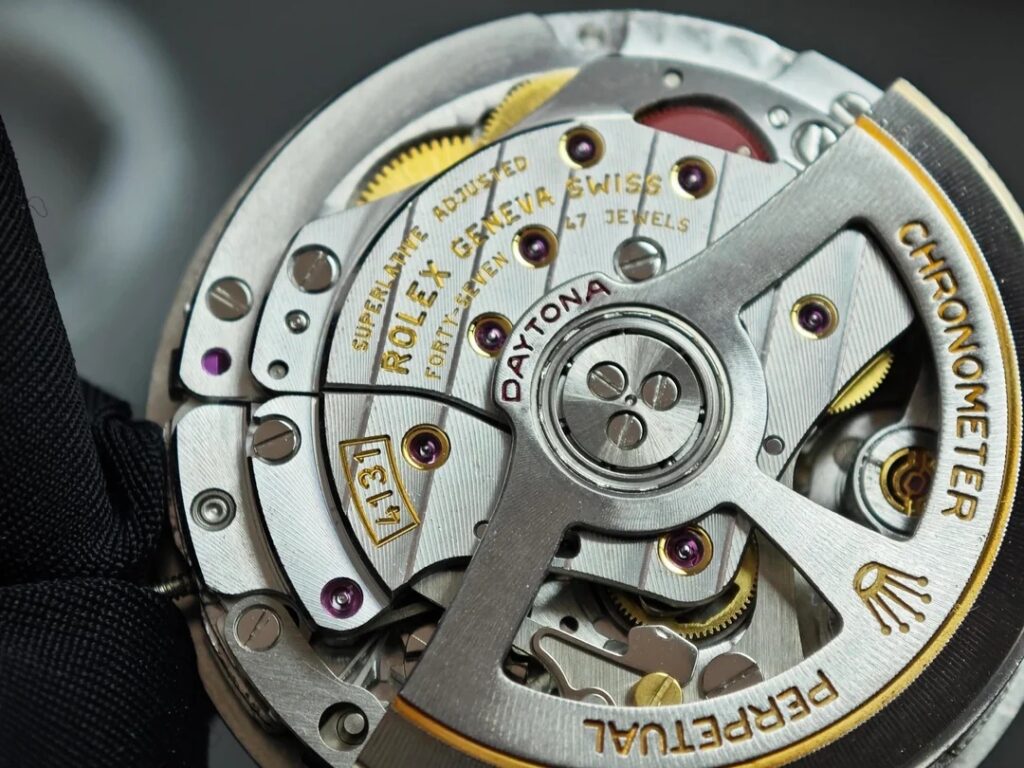
CLEAN factory was one of the first to push Dandong movements to the front. From the 3285 to the 4130 and then 4131, they were early in using custom Dandong integrated movement solutions. They got the power reserve, balance wheel position, and date jump logic closer to gen than ever before.
This move changed the competition: before, factories competed on how good the case looked; after CLEAN, they competed on how good the movement looked when you opened it up.
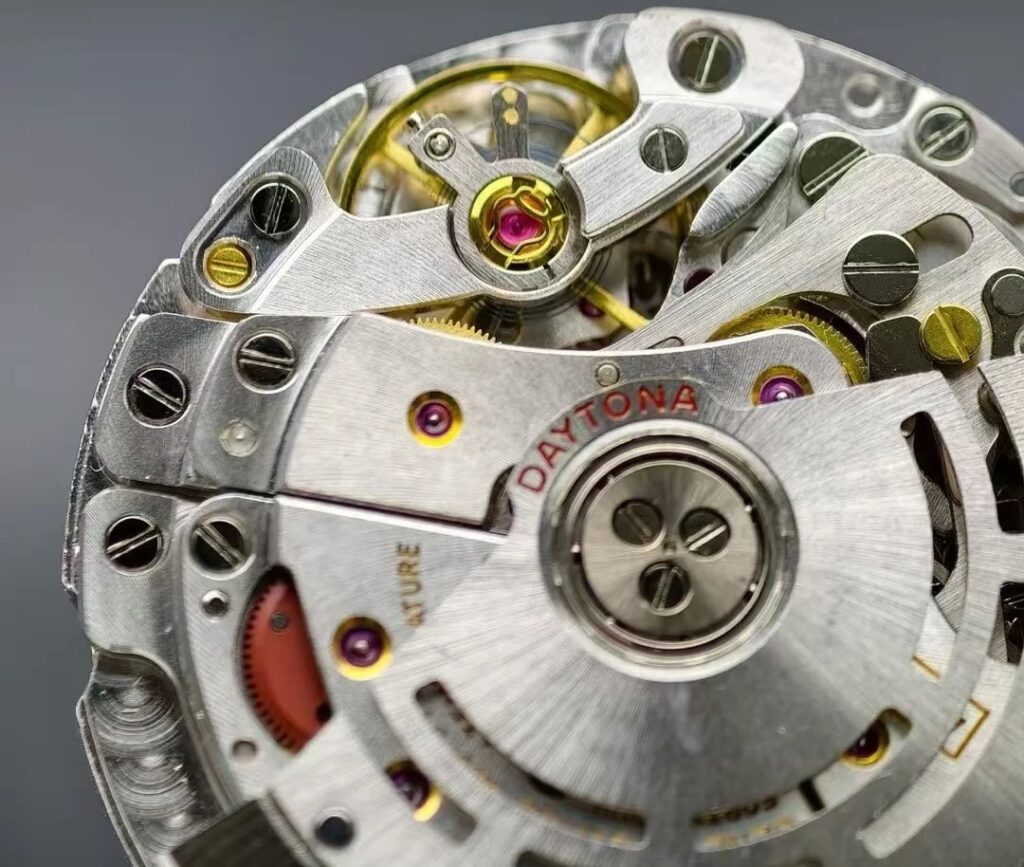
If there was no CLEAN, VS factory might still have worked on movement stability, but without CLEAN pushing the limits on accuracy, the movement race in the 1:1 best replica watch industry wouldn’t have come so fast or so hard.
How will China’s replica watch market change in the future
Before CLEAN rose up, the replica scene was in a vacuum after N factory shut down. AR, VR, GM each had their own turf, but no one dominated the entire Rolex lineup.
CLEAN factory broke that. With their double advantage in bezel and movement, CLEAN became the benchmark for Rolex Submariner, Daytona, GMT, and Datejust — basically the whole core Rolex range.
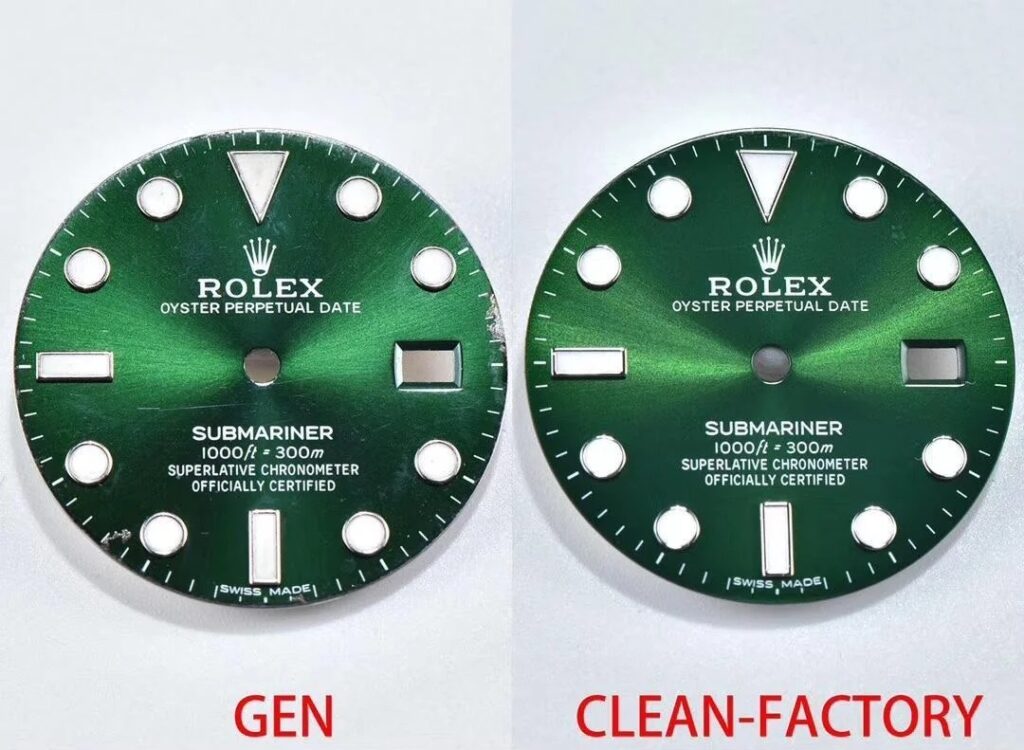
This ability to dominate across series forced other factories to reposition. VS factory started focusing more on movement stability and exclusive colors. C+ factory basically made fine-tuned versions to compete directly with CLEAN. The competition shifted from “this is what I have to sell” to “where am I better than CLEAN.”
If there was no CLEAN, the market would probably stay in a mild divided state. Without an absolute best option, buyers would need to research every single watch model separately, and the entry barrier would be higher.
Which factory makes the best Rolex replica watches?
CLEAN’s existence, objectively, lowered the information asymmetry in this gray market. Why? Because CLEAN’s quality control was stable enough. Experienced collectors developed ways to tell real CLEAN products — from bezel color to marker craftsmanship, from balance wheel position to clasp code details. These features formed a reliable reference system.
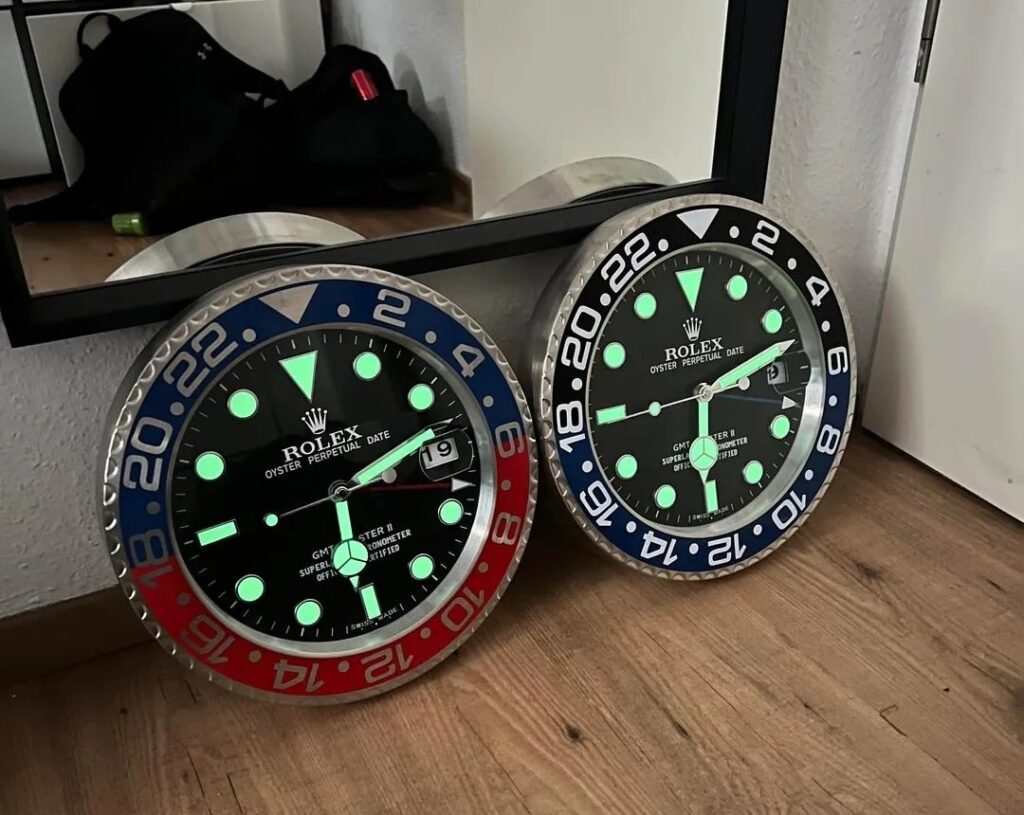
If CLEAN factory had never existed, the question “which factory makes the best Rolex replica” wouldn’t have a standard answer. And of course, there wouldn’t be all those “CLEAN kit” knockoffs.
But buyers would also lose a reliable reference point. A market without a reference system is usually more chaotic than one with it. Newbies would end up making costly mistakes just as often, if not more.
CLEAN factory’s real legacy was never how many watches they made. It was that they redefined what a high-quality replica watch should be. That standard — even after CLEAN disappeared — still influences other factories and buyers today. Who will be the next one to reach that level? That might be more worth watching than whether CLEAN factory will come back.