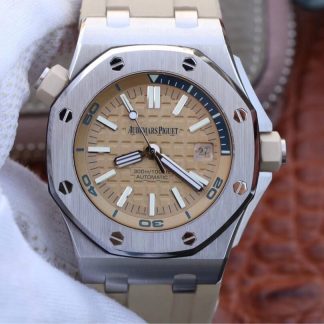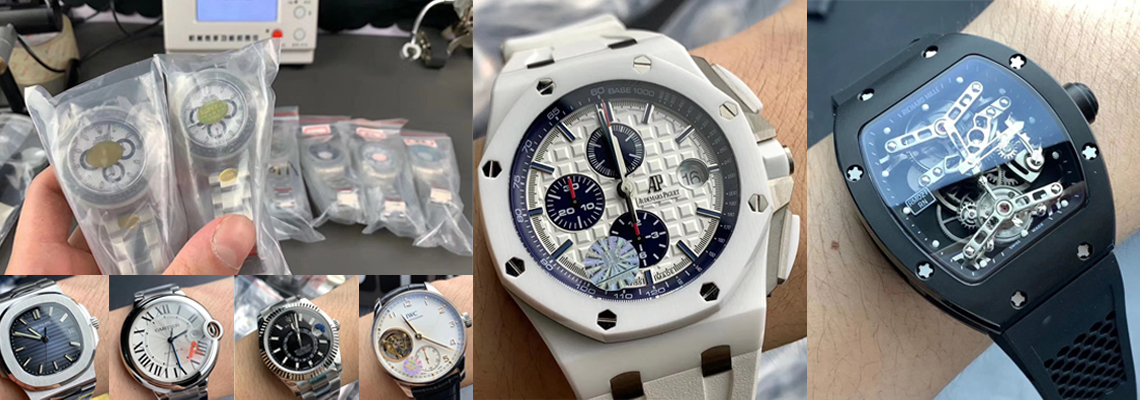
Many people who get a visually accurate 1:1 watch, especially dive models with ‘300M/1000ft’ printed on the dial, their first instinct is to wear it swimming or in the shower, just to feel like a tough guy wearing a Submariner. But reality hits hard—plenty of guys see the crystal fog up the moment it touches water, and the movement is toast right after.
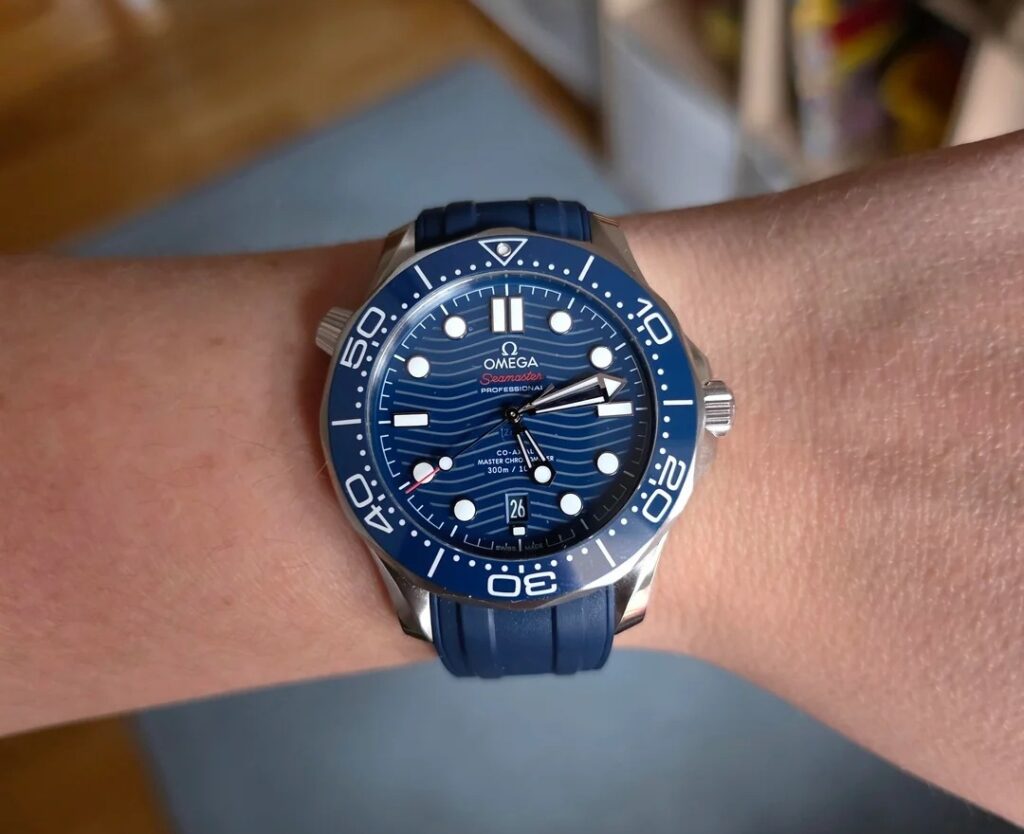
What level is replica watches waterproof rating really at? Can those so-called dive clone models actually go in the water? Hey everyone, I’m RAY. It suddenly poured rain today, and the VS Factory Omega Seamaster 300 on my wrist was covered in water drops but kept perfect time. It made me really want to sit down and talk about this.
How to read Replica watches waterproof rating?
First, I gotta clear up the biggest trap newbies fall into: The number printed on the dial is NOT the depth you can actually dive. 3ATM (30 meters) only protects against light splashes when washing hands, not even safe in heavy rain.
5ATM (50 meters) might hold up in a static pressure test, but when you swing your arm swimming, the instant pressure goes way beyond that number. The chance of water getting in is super high. If you really wanna swim with it, you need at least 10ATM or higher.
And here’s the core problem with the 1:1 best Replica watches—machining tolerance. GEN watches are reliable underwater because the crown tube, case back threads, and gasket grooves are machined to micron-level precision.
But with rep factories, the precision between different batches is all over the place. One batch of the same model might survive a shower fine, the next batch fogs up just washing your hands. No, it’s not luck. It’s just tolerance issues causing quality control swings.
Actual test data for Replica watches waterproof test method
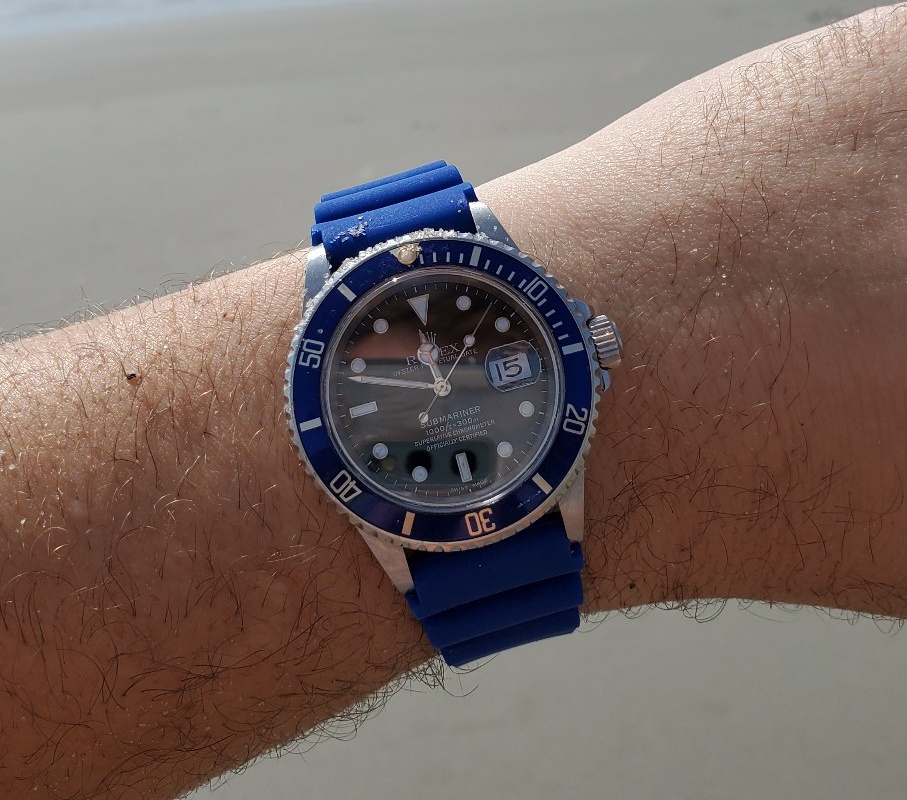
So, can a stock clone watch actually handle water? Based on tests shared by many players, the answer is: it’s a coin toss. Some friends say their VS Rolex Submariner went straight into the ocean and hot tubs with no extra work done and still runs perfectly three years later. But there are way more cases showing most of them can only pass 2ATM on a professional pressure tester and start leaking bubbles at 3ATM.
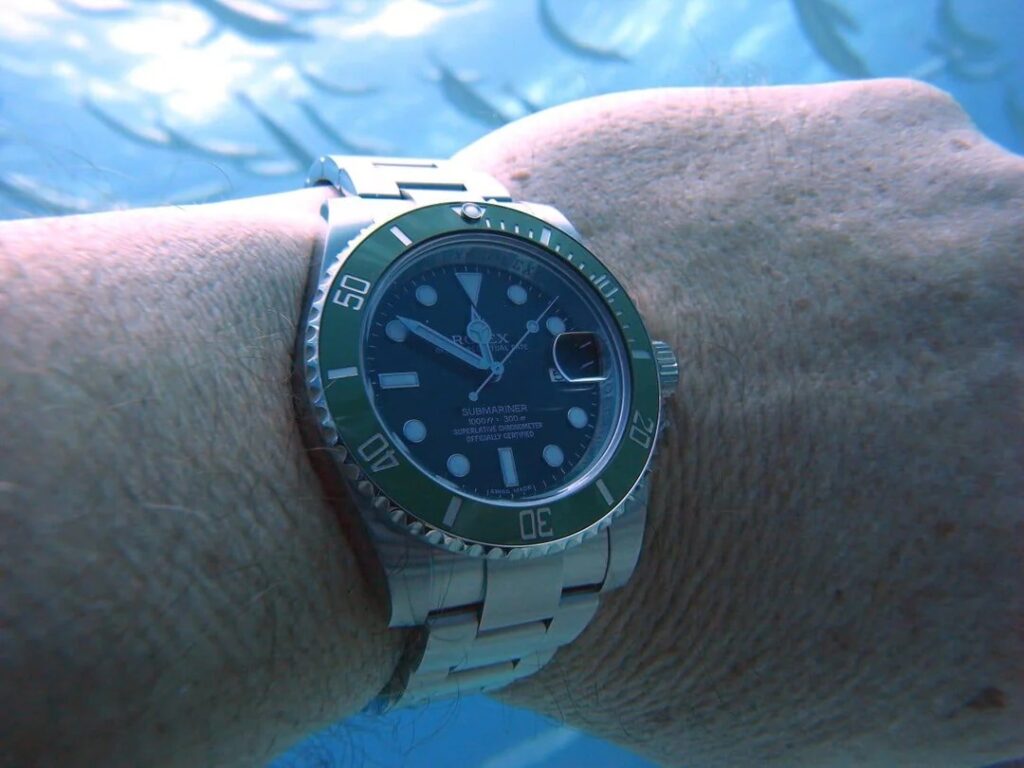
The two weakest spots for leaks are the crown and the case back. If the rubber gasket inside the crown tube isn’t lubed with silicone grease, it can leave tiny gaps when you screw it down.
If the case back isn’t tightened to the right torque with proper tools, that’s another easy way for water to get in. Guys who like to tinker have a cheap self-test method: Put the watch in warm water and watch closely. If you see a steady stream of bubbles coming from the crown or case back, the seal is shot. Do NOT put it in water.
How to make sure Replica watches waterproof actually works?
If you want your high-quality Replica watches to actually survive swimming, you gotta do some specific waterproofing work. There are two main ways to go:
The first is DIY. It’s not complicated: Use a case back opener ball to take off the back, remove the rubber gasket, clean it with warm water and a tiny bit of mild dish soap, let it air dry completely, then apply a thin layer of silicone grease evenly on both sides of the gasket. Put it back and screw the case back tight.
I’ve done this a few times myself. The key is the grease has to be thin—too much and you’ll actually mess up the seal. Watches treated this way have no problem in the pool or bathtub.
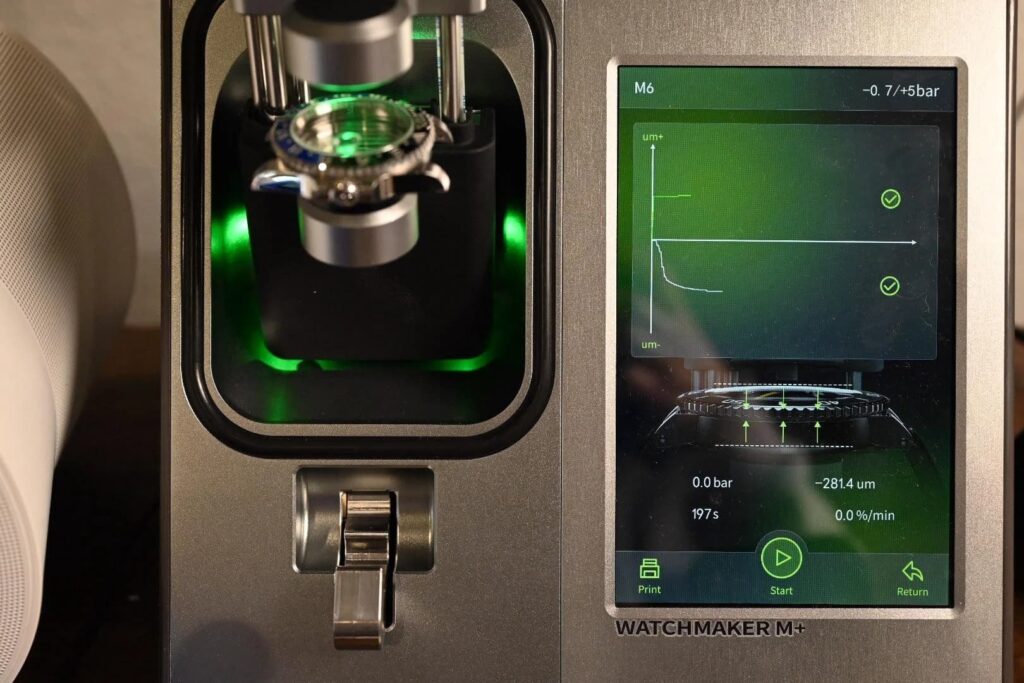
The second way is to take it to a local watch repair guy for professional work. Try to find a shop with a dry pressure tester. Ask the watchmaker to take the movement out first and then do a pressure test on just the empty case. You want to see with your own eyes the needle holding steady at 5Bar to 10Bar. If it passes 10ATM after that treatment, you’re pretty much good to go for daily swimming and snorkeling.
Replica watches waterproof care tips
Last few practical tips:
- No matter how nice the leather strap is on your top-tier Replica watches, DO NOT wear it swimming. Leather soaks up water and gets stiff and cracked fast. Doesn’t matter how waterproof the watch head is, the strap is done for.
- Don’t wear the watch in the shower. Hot water and steam make the rubber gaskets age way faster. Plus, the chemicals in shampoo and body wash eat away at the sealing material.
Anyway, the rain finally stopped. I gotta go back and re-do the waterproofing on my watch. The fun of this hobby is in the mechanical beauty and how it feels on the wrist. You don’t have to prove its value at the bottom of a pool.
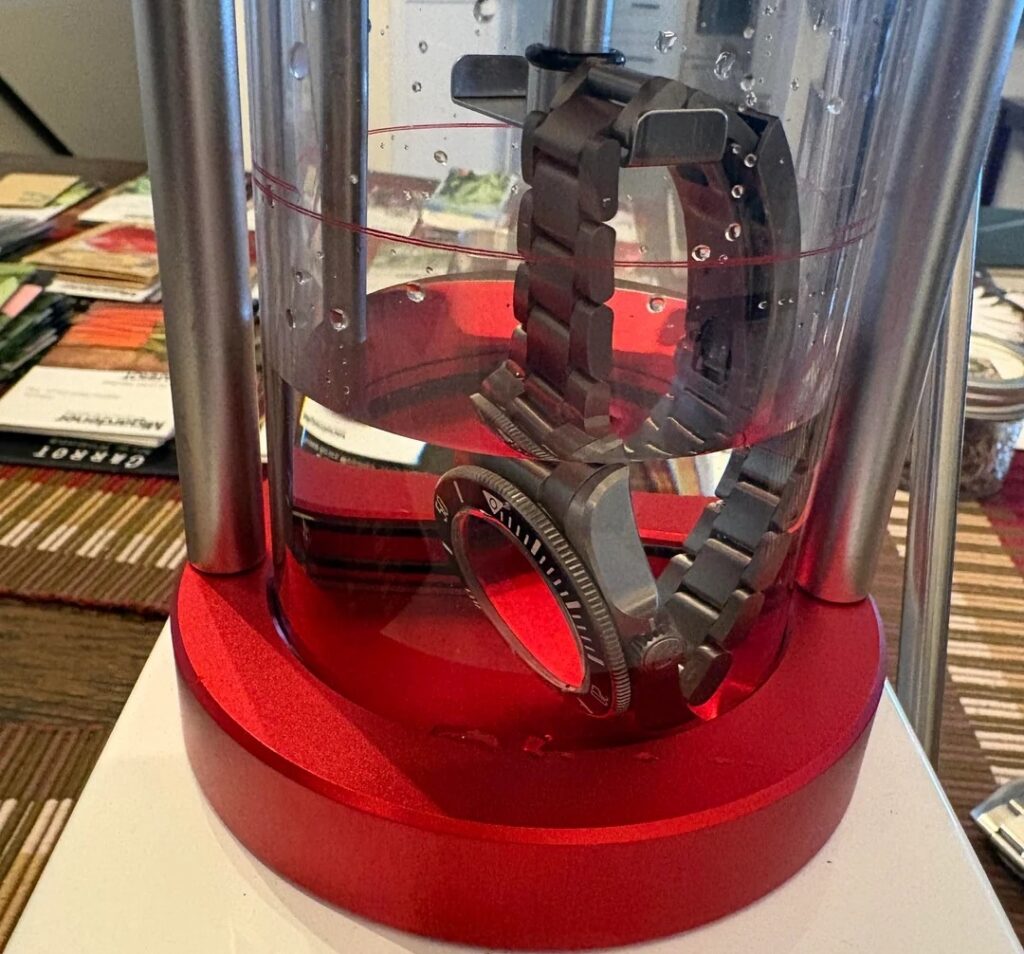
Do the necessary waterproofing work, and you won’t stress about a bit of rain or washing hands. As for swimming? I just feel better having checked those gaskets first. If you’ve got more questions about 1:1 watch waterproofing, hit me up and let’s chat.