Most guys, when dropping cash on a watch, are always staring at whether the ceramic bezel markers line up, or how deep the logo is engraved on the clasp. Sure, those details matter. But the stuff that actually decides if a mechanical watch will stick with you for the long haul—and run steady while doing it—is usually hidden inside a caseback that most people will never open in their lifetime.
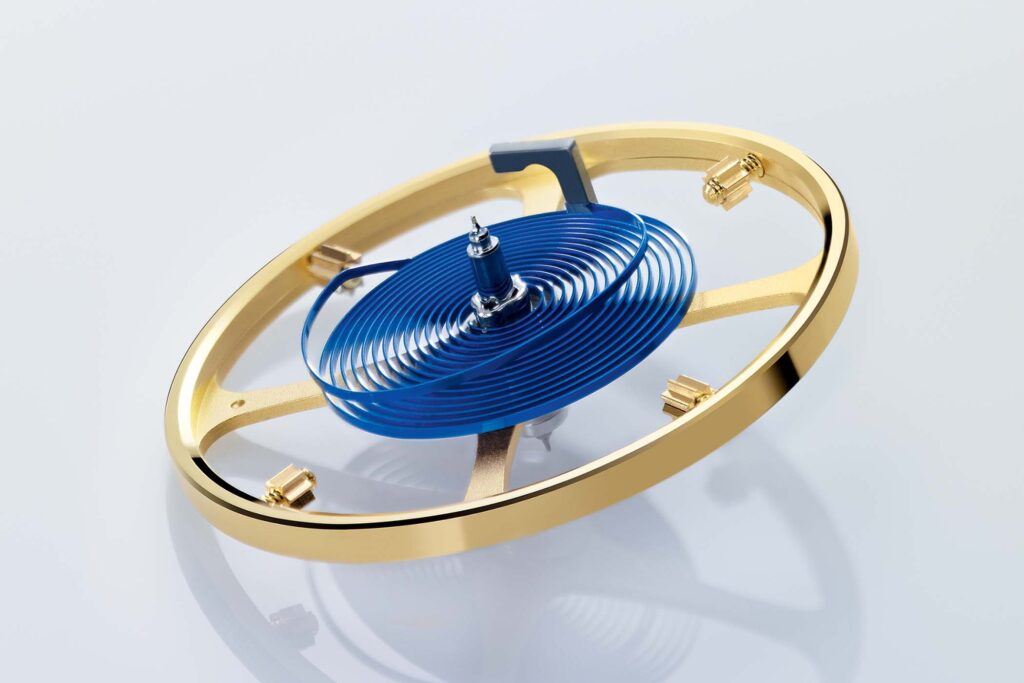
In 2026, a lot of people in the scene are starting to call this “The Dawn of the Free-Sprung Replica Watch Era.” More and more top-tier factories are ditching the traditional regulated balance wheel setup and moving to the Free Sprung Balance technology that luxury brands have been using. This quiet shift is redefining what a true 1:1 watch really means.
What is a Replica Watches Free sprung movement?
To understand Free sprung, you first need to know what regulated balance means.
A traditional movement has a small part called the regulator pin. It holds the hairspring, and by nudging it left or right, you change the active length of the hairspring to speed up or slow down the watch. Super easy to adjust, but it comes with one fatal weakness: a hard knock can easily knock it out of place, and then the timekeeping goes out the window.
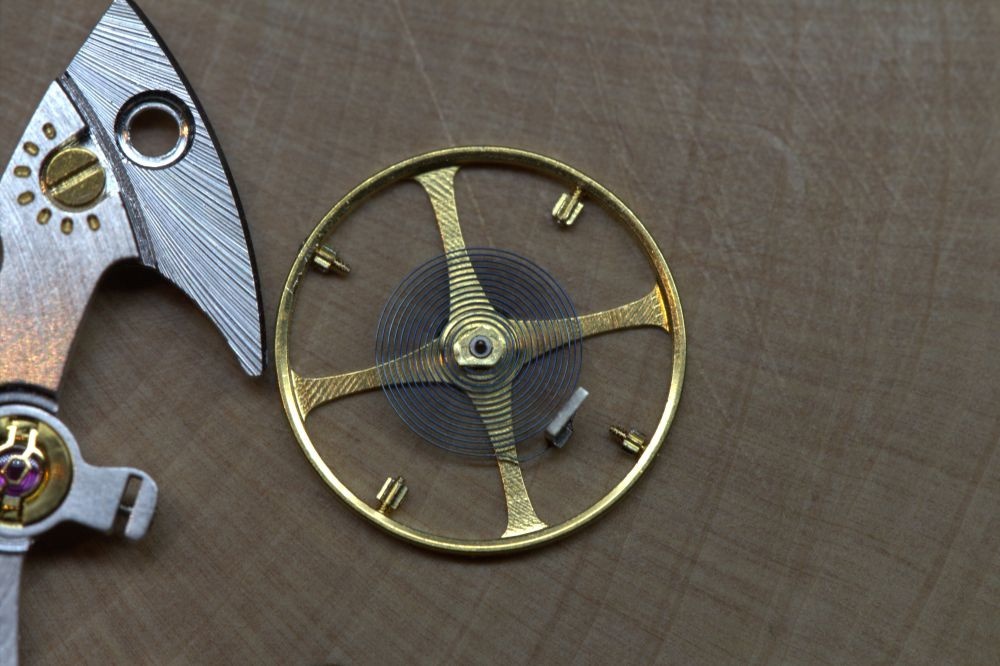
A Free sprung movement simply removes that regulator pin entirely.
So how do you adjust the time? It uses those tiny screws or weights on the edge of the balance wheel. By changing the rotational inertia of the balance itself, you fine-tune the rate.
Totally different way of thinking:
· Regulated: Change the hairspring length, forcing it to run right.
· Free sprung: Make the balance wheel itself behave better, improving stability from the ground up.
Rolex, Patek Philippe, Audemars Piguet—their main workhorse movements all use Free sprung design. For Top Replica Watches factories, copying this structure is about getting closer to GEN in both performance and construction.
Which replica watch factories use free-sprung balance movements
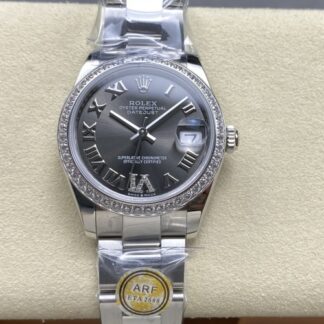
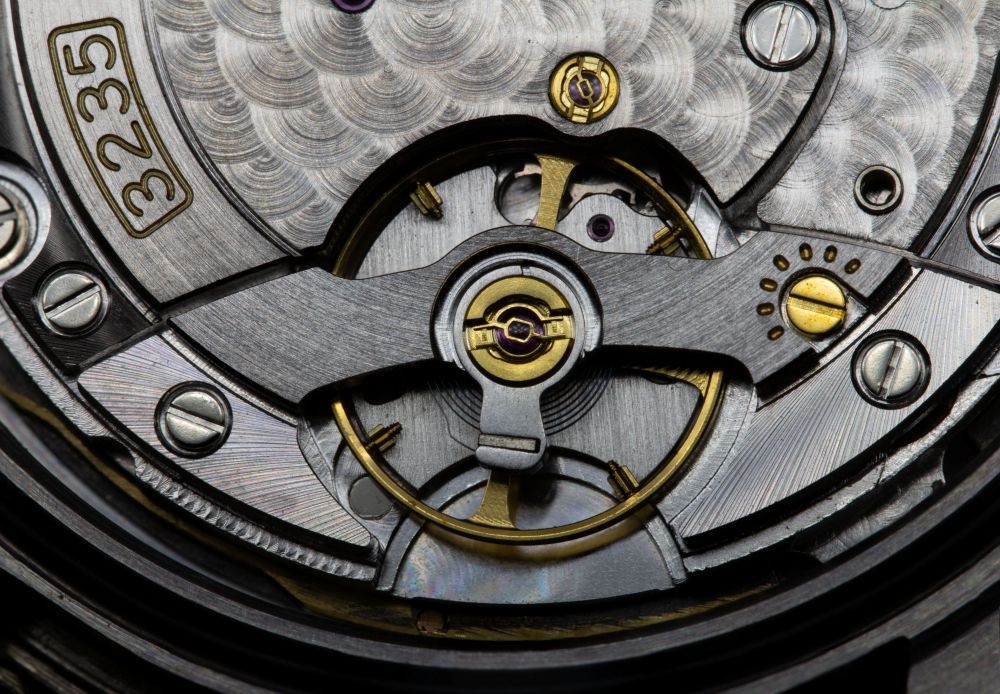
· QF Factory: Their product line is pretty complete. They’ve already revealed the Rolex Datejust with a 3235 Free sprung movement, the Rolex Daytona 126500LN with the JH4131 movement, plus more Daytona models covering both 4131 and 4132 calibers.
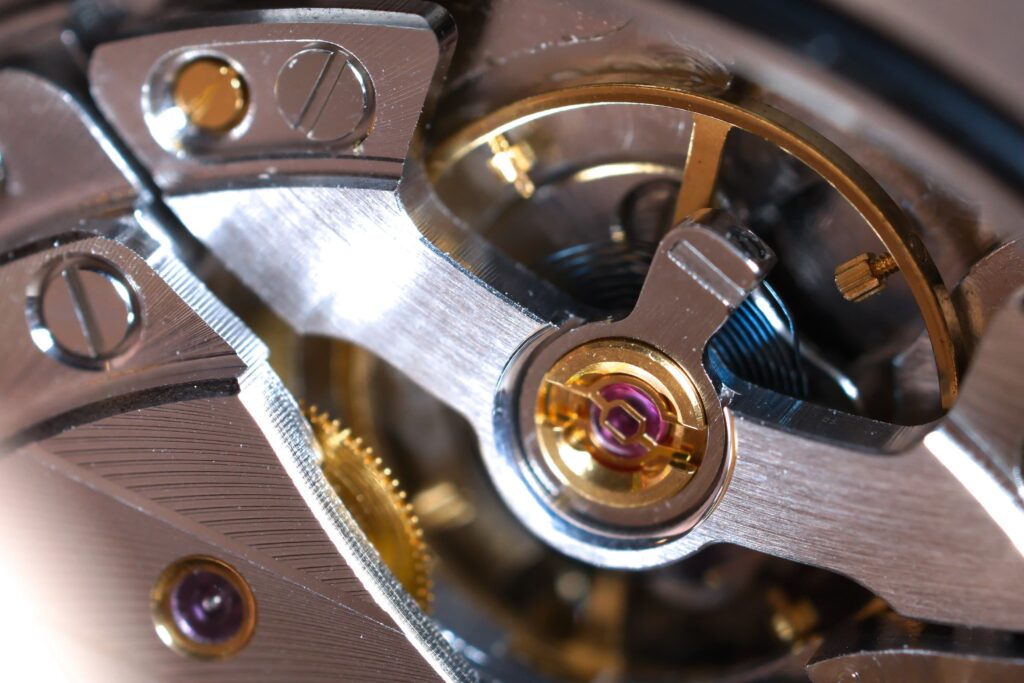
· ER Factory: They’re using the CAL.3235 Super Blue Hairspring Free sprung movement on their Rolex Datejust, and for the GMT models, they went with the JH Blue Hairspring 3285 movement. These versions are officially on the market.
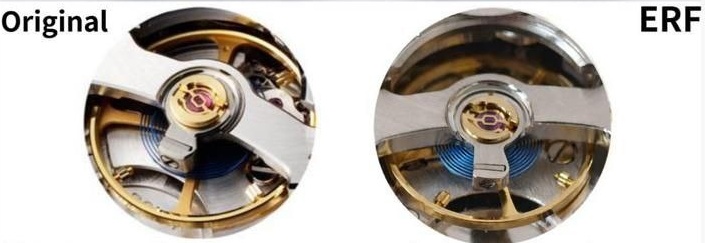
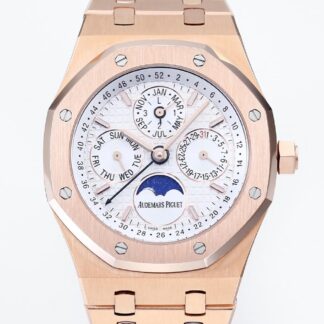
· APS Factory: Pushing ahead in their core area, Audemars Piguet. The AP Royal Oak 15500 now comes with the SH4302 Free sprung movement, and the chronograph 26240 has followed suit.
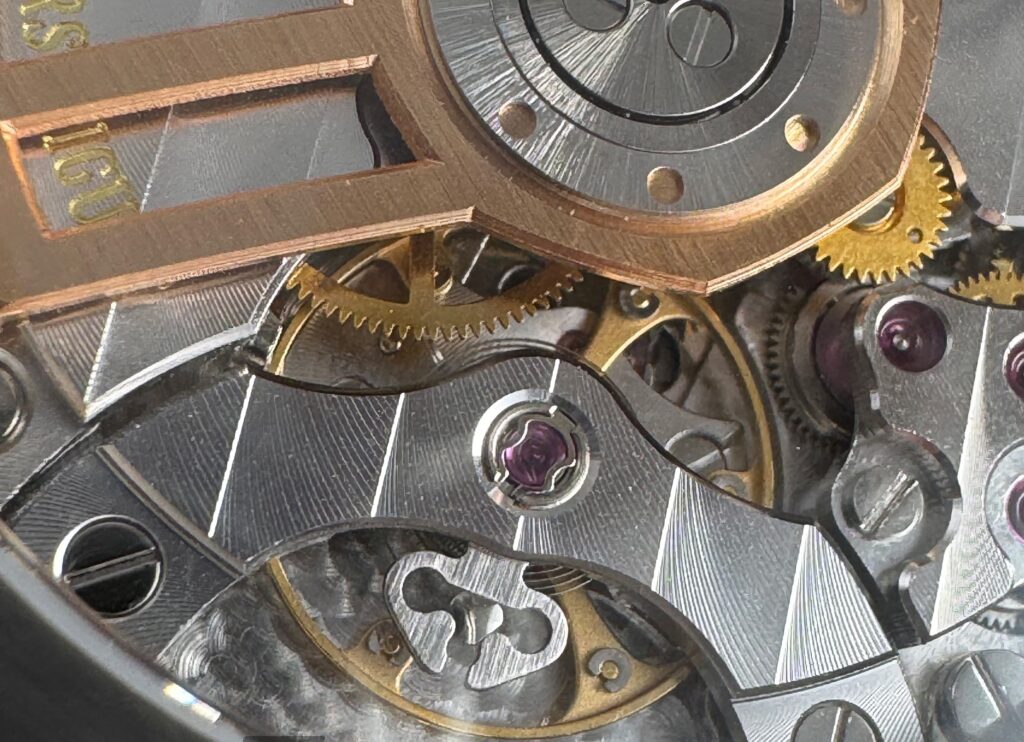
· PMS Factory (Prime Mod Studio): A new face. They charged straight into the fiercely competitive Patek Philippe Nautilus 5711 space, choosing to fit it with a 324 Free sprung movement to set themselves apart.
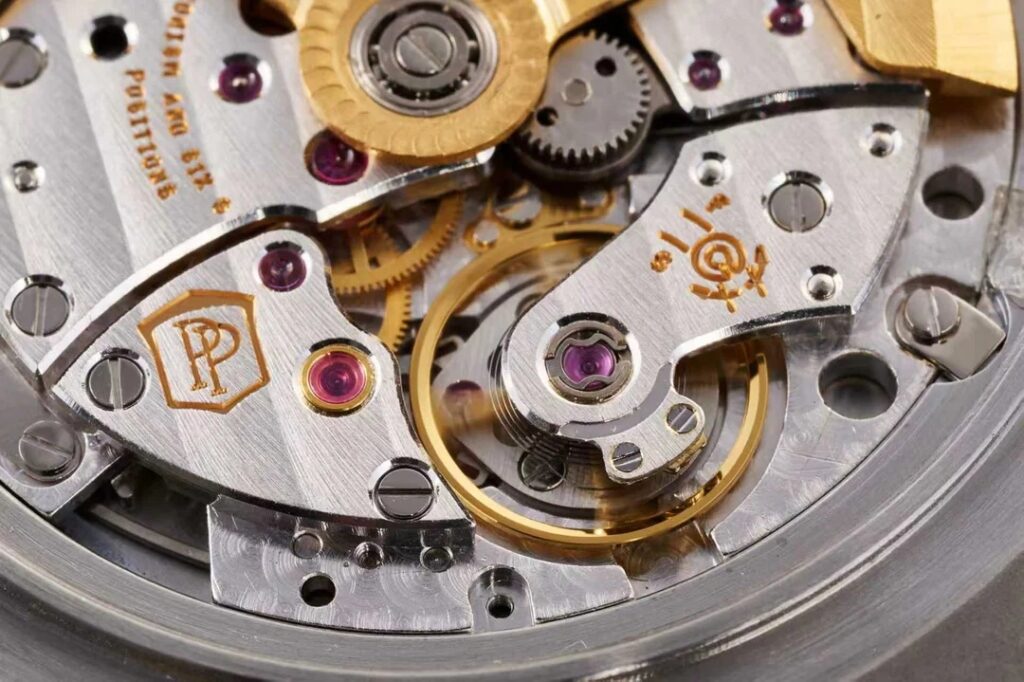
Looking at how these 1:1 Best Replica Watches factories are laying out their moves, one thing’s becoming obvious: Free sprung is shifting from being a nice bonus feature into a baseline entry ticket for competing at the high-end replica level.
How’s the Jinghe 3235 Free sprung movement?
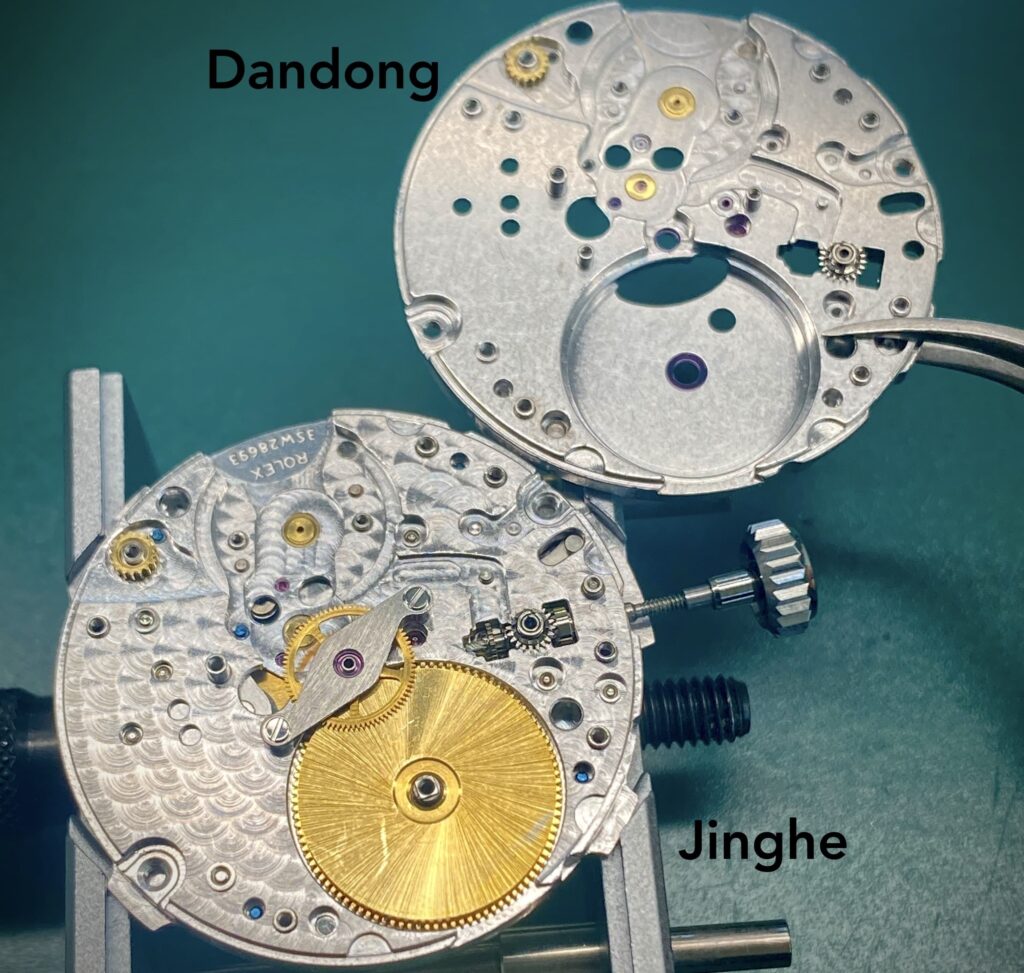
The JH3235 produced by Jinghe is currently the most talked-about model among Free sprung movements. People who’ve been following replica movements for a long time know that the Dandong 3235 has always been seen as the benchmark in this space. But teardown reviews have come to a surprising conclusion: the JH3235 holds its own against Dandong in every observable detail, and even edges ahead in some aspects.
Quick summary:
· If you want the Free sprung structure, Jinghe is the best choice right now.
· If you don’t care about Free sprung and care more about tried-and-true stability, both Jinghe and Dandong are solid options. These two have clearly pulled ahead of the Shanghai 3235 replica movement.
The only small flaw pointed out on the JH Free sprung movement is that the triangular notch on the date wheel adjuster is slightly undersized. Gen-spec tools won’t fit it directly. But honestly, for anyone not taking the movement apart themselves, this has virtually zero impact.
Does everyone really support buying free sprung movement replica watches?
No, they don’t. The debates Free sprung movements trigger on forums are probably way more intense than most people imagine.
Supporters see progress. The core job of a mechanical watch is accurate, stable operation, and Free sprung construction nails these two points at a height that traditional setups can barely touch. To them, the voices of doubt—worried about potential damage—sound more like a gut reaction against change.
The doubters also have reasonable concerns. A watch that’s already expensive to buy becomes even more expensive to fix, and the number of pros who can actually work on it shrinks. Who’s gonna bear that cost?
In the regulated movement era, a watch running a bit fast or slow was normal. A street-side watch stall or even watching a YouTube tutorial could usually sort it out. But Free sprung movements genuinely have a higher repair threshold, and for a lot of people, that’s a real psychological barrier.
Are Free Sprung Replica Watches worth buying?
Answering this with a straight yes or no would be lazy, because it completely depends on what kind of buyer you are.
If you’re the type who doesn’t adjust the time for months, doesn’t stress over bumps and knocks, and just ships it back to the seller when something goes wrong, then Free sprung movements will most likely be a plus for you. It has better shock resistance, more stable timekeeping, and better positional consistency—which exactly serves this kind of wearing style.
You don’t need to know how many screws are on the balance wheel or how the terminal curve of the hairspring is shaped. You just need to know it’s a High-quality Replica Watch that’s more durable than the last generation. The improvement is silent—you won’t feel it working every day, but after wearing it for a long time, you’ll realize you have a lot less to complain about.
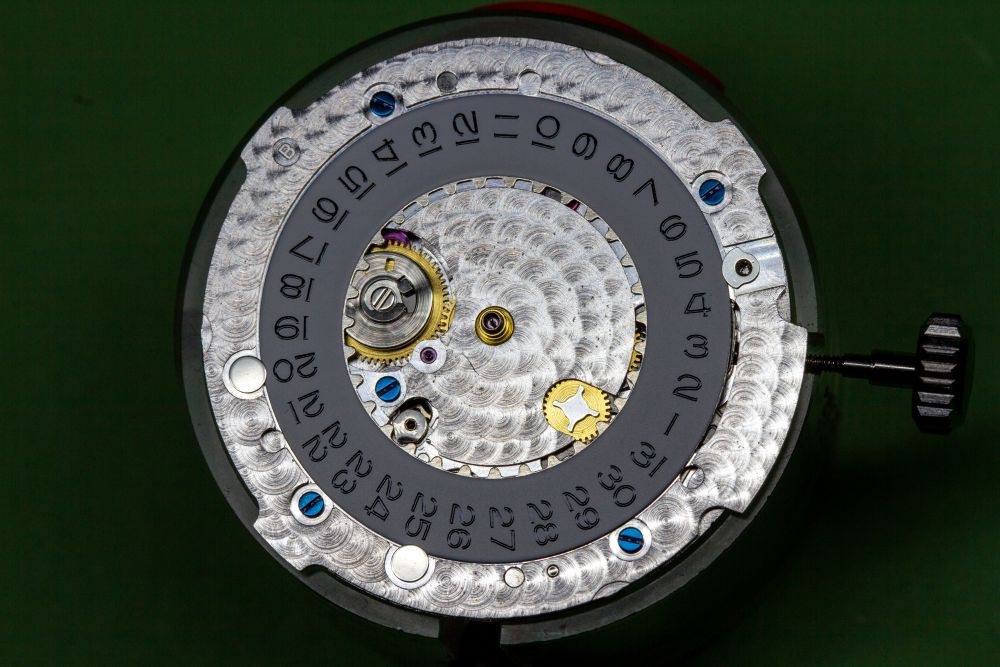
If you’re used to servicing your watches yourself, or if you struggle to find a watchsmith in your city willing to touch reps, then you need to weigh things more carefully with Free sprung movements. Back in the regulated era, adjusting the rate was probably one of the easiest maintenance tasks out there—tutorials everywhere, cheap tools, forgiving margins for error.
Free sprung demands much finer hand control, more specialized micro-adjustment tools, and way more patience. For anyone who enjoys tinkering with their own watches, you’d better size up your skills and tool kit honestly before jumping into a Free sprung movement, or line up a repair guy who can handle it first.
Is the Replica Watches Free Sprung movement stable?
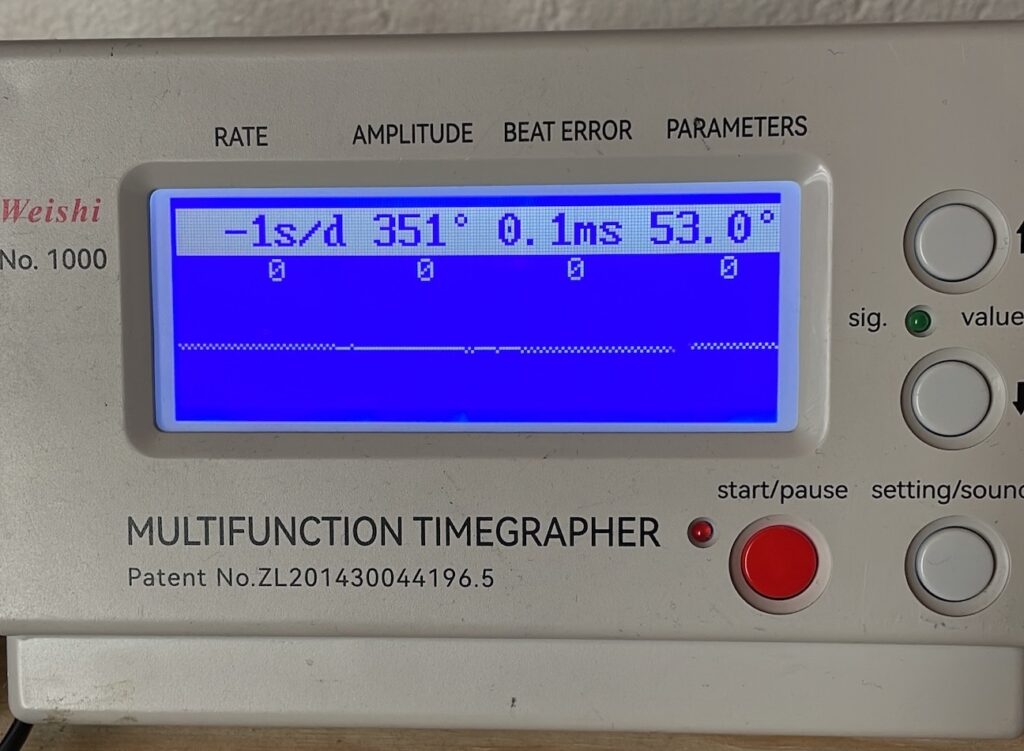
The biggest selling point of Free sprung movements is stability. It relies on micro-adjusting the balance wheel’s own inertia, with no parts that can shift out of place. Before a knock, it’s within a few seconds of error. After a knock, it’s still within a few seconds. In terms of structural principle, its long-term stability is genuinely superior to regulated setups, which is also the fundamental reason why most GEN luxury brands use Free sprung construction.
Are free sprung movement replica watches expensive?
Right now, the top-tier versions packing Free sprung movements are generally priced a bit higher than the regulated versions of the same model. The premium varies from factory to factory, but overall it’s still within an acceptable range. Considering the manufacturing cost of Free sprung movements is already higher, and production volume hasn’t fully ramped up yet, the price gap is understandable.
As more factories jump in and production capacity scales up, prices will gradually settle. And finding a Reliable replica watch website will make your journey toward getting a Free sprung movement watch a whole lot smoother.