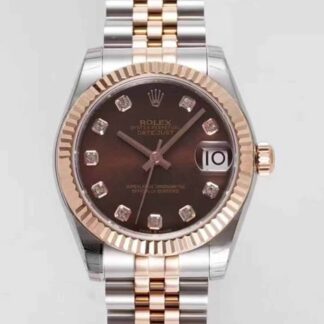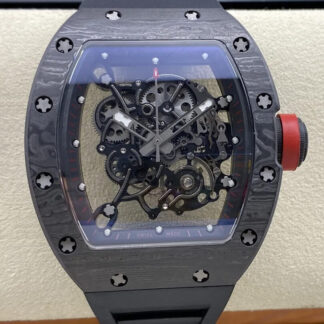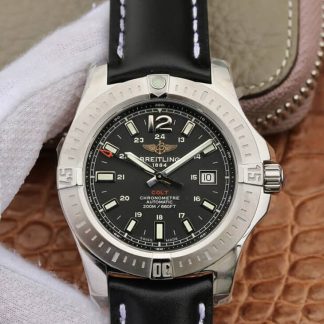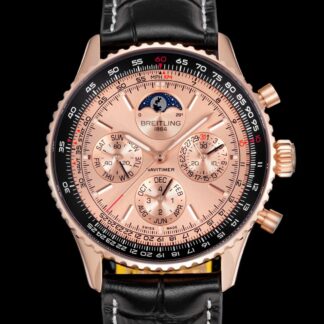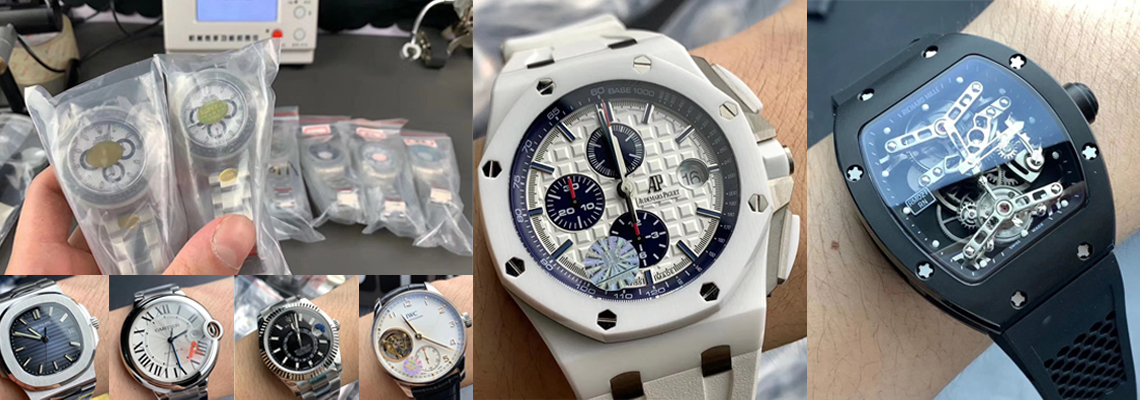
To choose the best 1:1 replica watch, you can use the genuine product as a reference for a comprehensive comparison. However, this is only one method, and its scope for comparison is relatively limited. Today, I’ll discuss some common identification methods. Distinguishing between genuine and replica watches is more accurate by focusing on details.
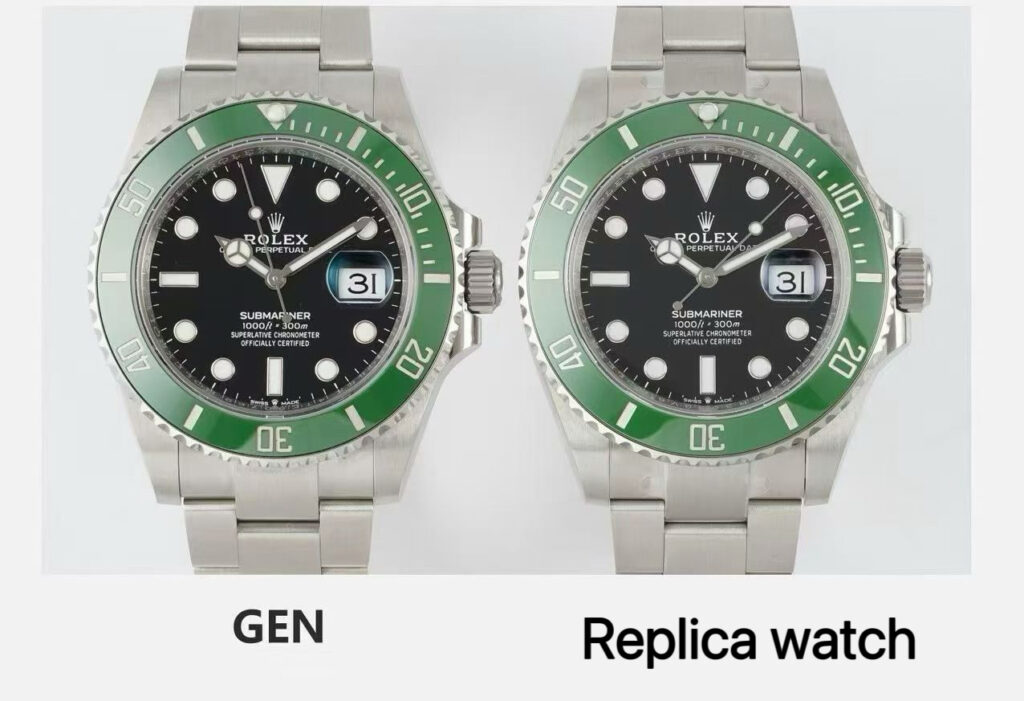
Case and Bracelet
Top-tier replica watches feature CNC-milled cases, resulting in clean, smooth edges and lines under light. If the mold precision is insufficient, you might see misalignment in components such as the octagonal bezel and the center of the case. Simply tilt the watch towards a strong light source, allowing the light to shine along the edge of the case. If the light stops anywhere, it indicates misalignment.
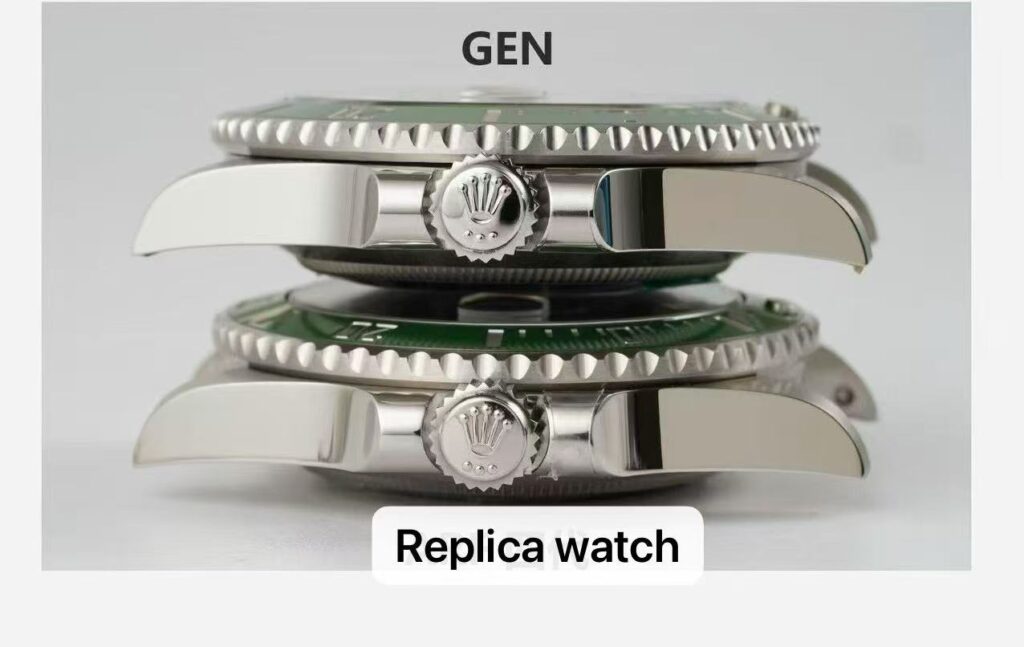
Dial Printing and Applied Markers
Genuine printing is about 0.02mm thick, with clean, sharp edges and no jagged lines. Top-tier replicas use multi-layer screen printing or pad printing with baked lacquer to create a similar 3D thickness. Use a 10x magnifier and look at the marker edges from a 30-degree angle. The best replicas will have a small ‘step’ or ledge, while ordinary or low-end fakes are just flat.
Crystal and Coating
The watch crystal is a crucial component. Poor quality crystal will result in a blurry appearance, insufficient clarity, and easy scratches. You can test this when you receive the watch. High-end watches typically use sapphire crystal glass with a colorless anti-reflective coating, achieving a light transmittance of over 95%. So how do you determine if your watch is a top-tier replica? Lay the watch flat and shine a phone flashlight along the edge of the crystal. If a purplish-red reflective ring appears, it indicates an anti-reflective coating, a hallmark of high-end replica watches.
Movement Finishing and Structure
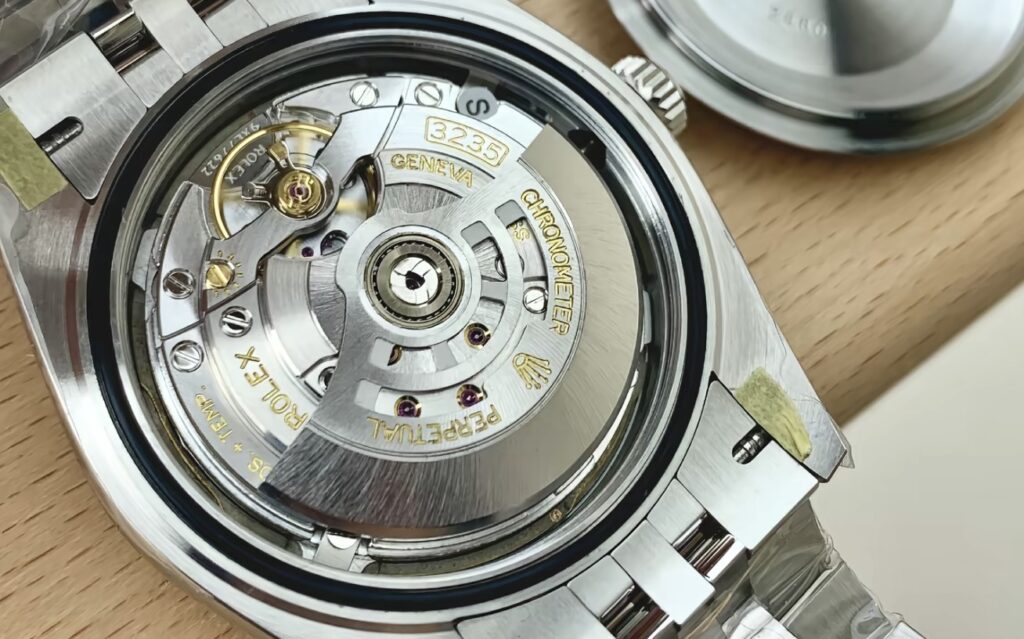
Top-tier replica watches now use super-cloned movements, such as Rolex’s most popular Submariner series, which uses the 3235 Dandong movement. The engravings, milling patterns, even the position of the balance wheel and the shape of the shock absorber are the same as genuine. It’s easy to check. Just look at the shock absorber next to the balance wheel. The best replicas have an Incabloc type with a complete, spring-like clip. Low-end fakes often just have a flat piece of metal – a dead giveaway.
The weight and feel of a replica watch
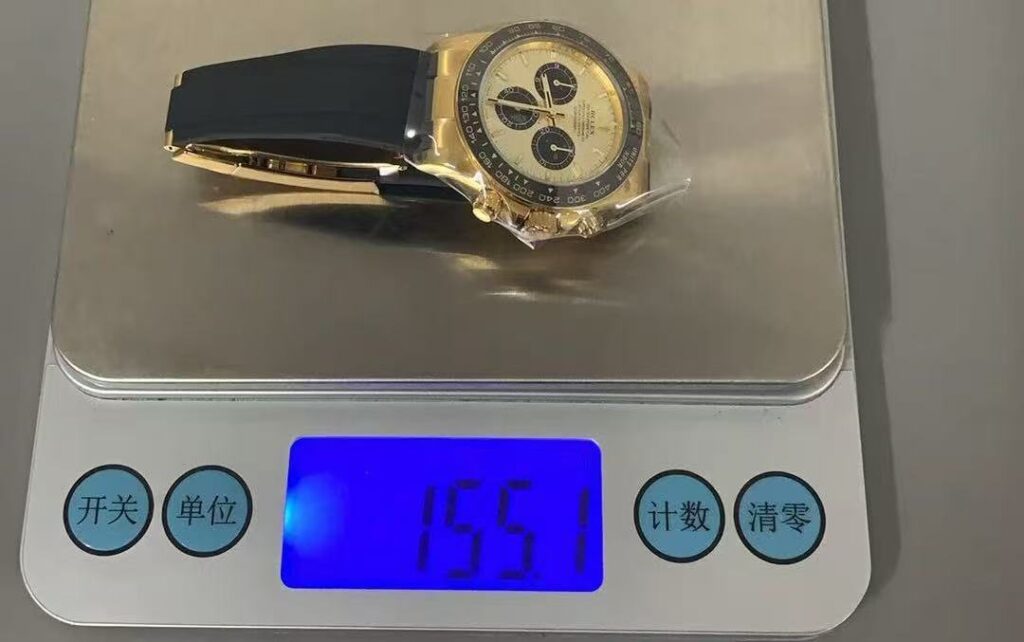
Whether it’s 904L steel, ceramic, or carbon fiber, each material has its standard weight range. Many mid-to-low-end replica watches reduce materials to save costs, making the overall weight 10-20 grams lighter. Determining if they’ve cut corners is very simple. Just prepare a small electronic scale and weigh the replica watch. If the weight difference exceeds 5%, it’s likely a low-end product. However, weight is only one reference, as there are now counterweight materials that can increase the watch’s weight. These are currently popular in the market, which means smaller workshops may also use the same materials. At this point, you should have a general understanding of how to judge the quality of replica watches. But the most important thing is to find a reliable replica watch seller. This is often more useful than any other method of authentication.
Hopefully, this guide will help all watch enthusiasts avoid some common mistakes when making their first purchase. By following the watch selection experience I’ve shared, you can effectively avoid most inferior products and buy genuine 1:1 perfect replicas of top-tier watches that you can wear every day without worrying about being scrutinized up close.